 By Daniel Reyes

Auto
Change a Flat Tire Safely, Step by Step
5 steps40 min Beginner
By Daniel Reyes
Two minutes every month can save an engine worth thousands. Learn how to read the dipstick correctly and top up without overfilling.
Log in to keep your progress across devices.
1 Step 1
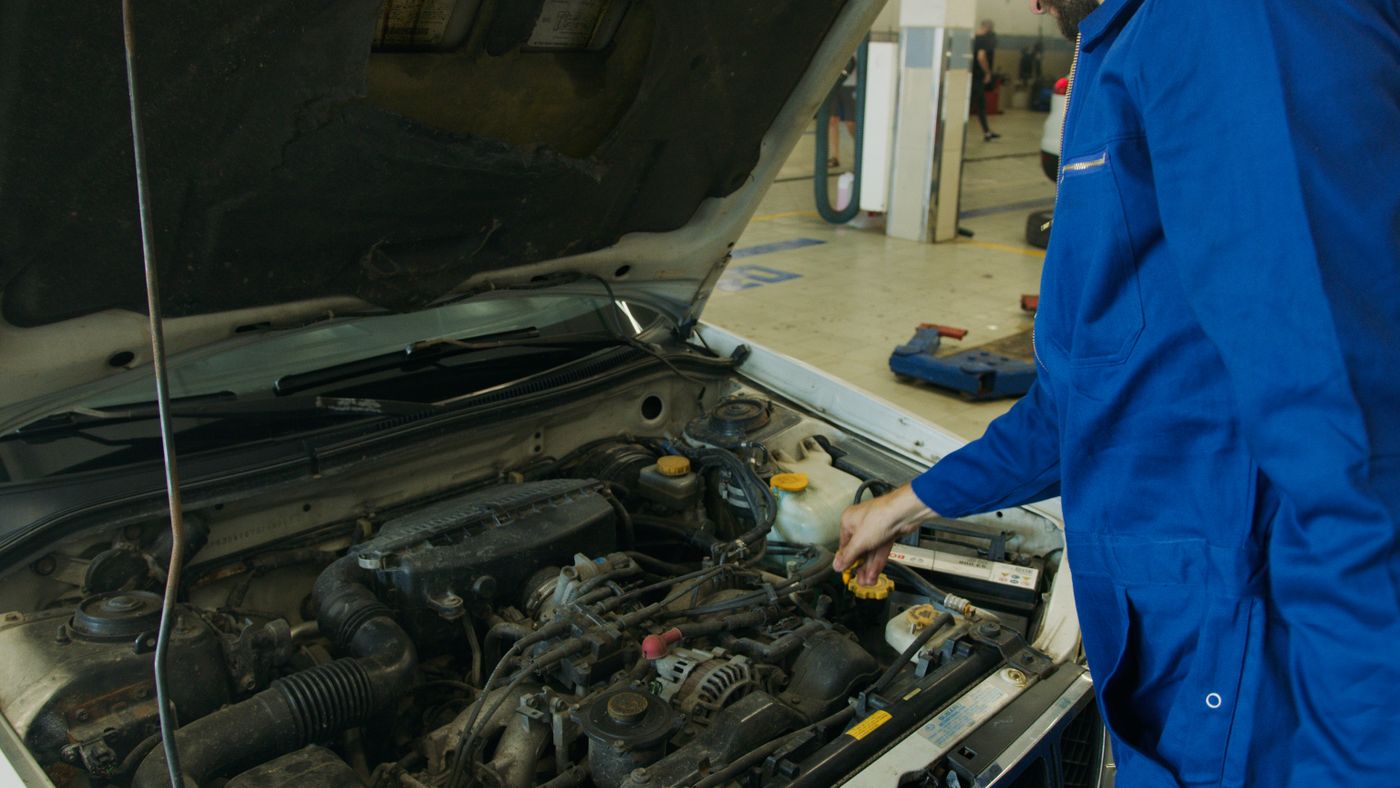
Park on level ground, switch the engine off and wait about 10 minutes so the oil drains back into the pan. Pop the hood and secure it. You are looking for the dipstick, usually with a bright yellow or orange ring handle.
Pro tip: Check the oil on the same day each month, so you notice changes in the pattern.
2 Step 2
Pull the dipstick all the way out and wipe it clean with the rag. Push it fully back in until it seats, then pull it out again. This second pull is the true reading.
Pro tip: The first pull is always misleading, because oil splashes up the tube. Always wipe and re-dip.
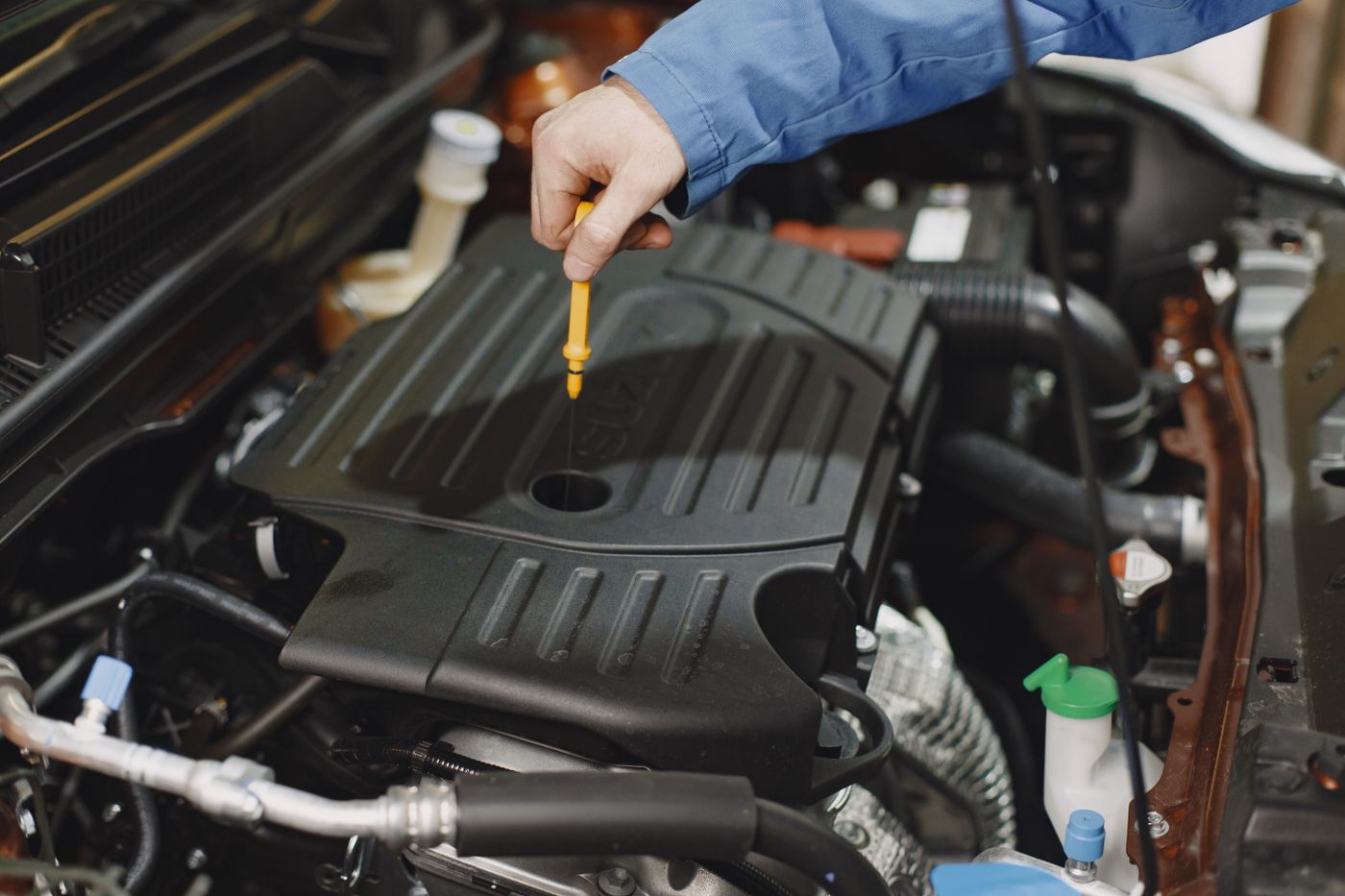
3 Step 3
Hold the dipstick horizontally and look at where the oil ends. The level should sit between the MIN and MAX marks (or inside the cross-hatched area). Healthy oil looks amber to dark brown and smooth. Milky, gritty or very black oil is a sign to see a mechanic.
Pro tip: Milky oil can mean coolant is leaking into it. Do not ignore that.
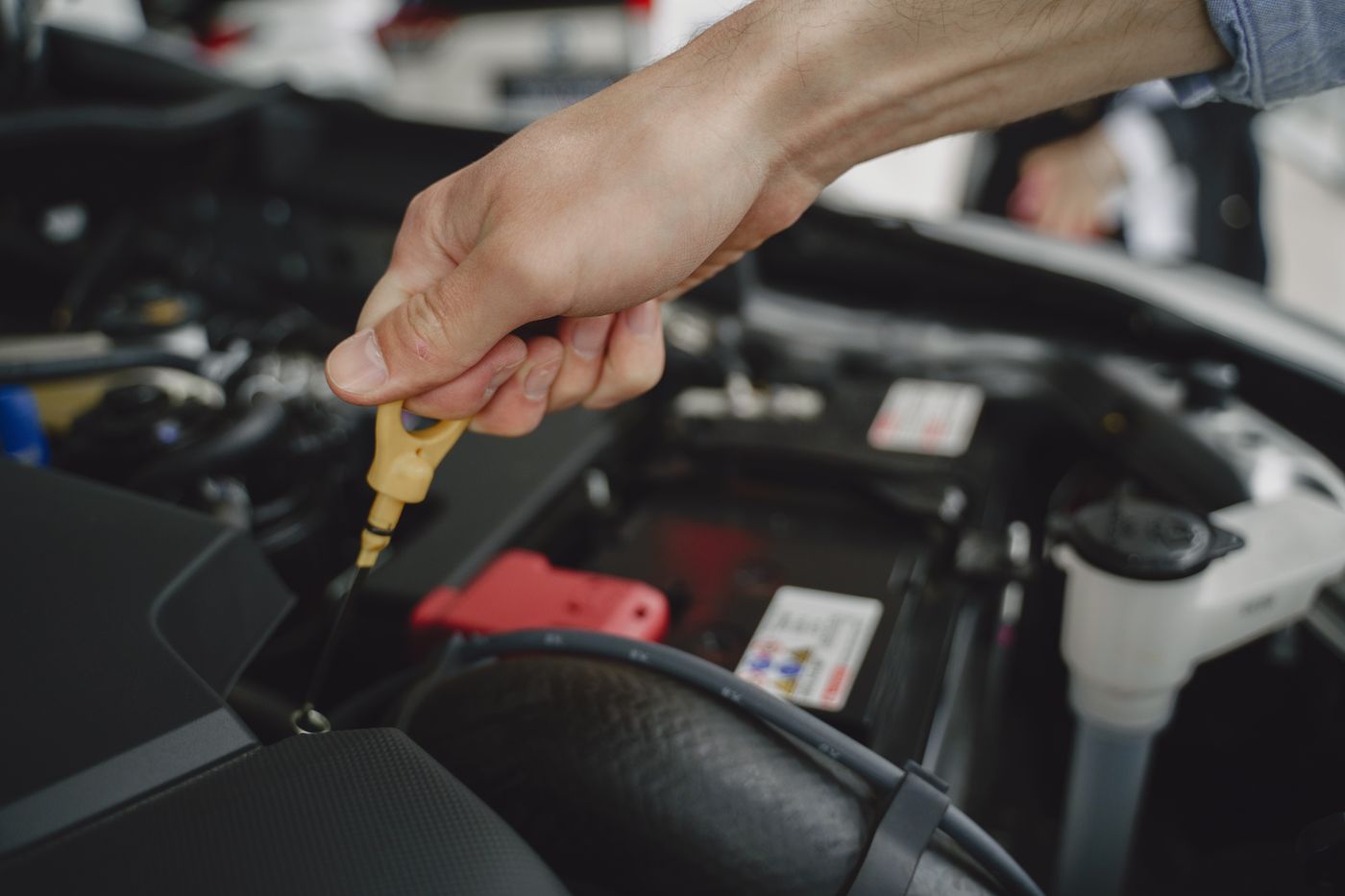
4 Step 4
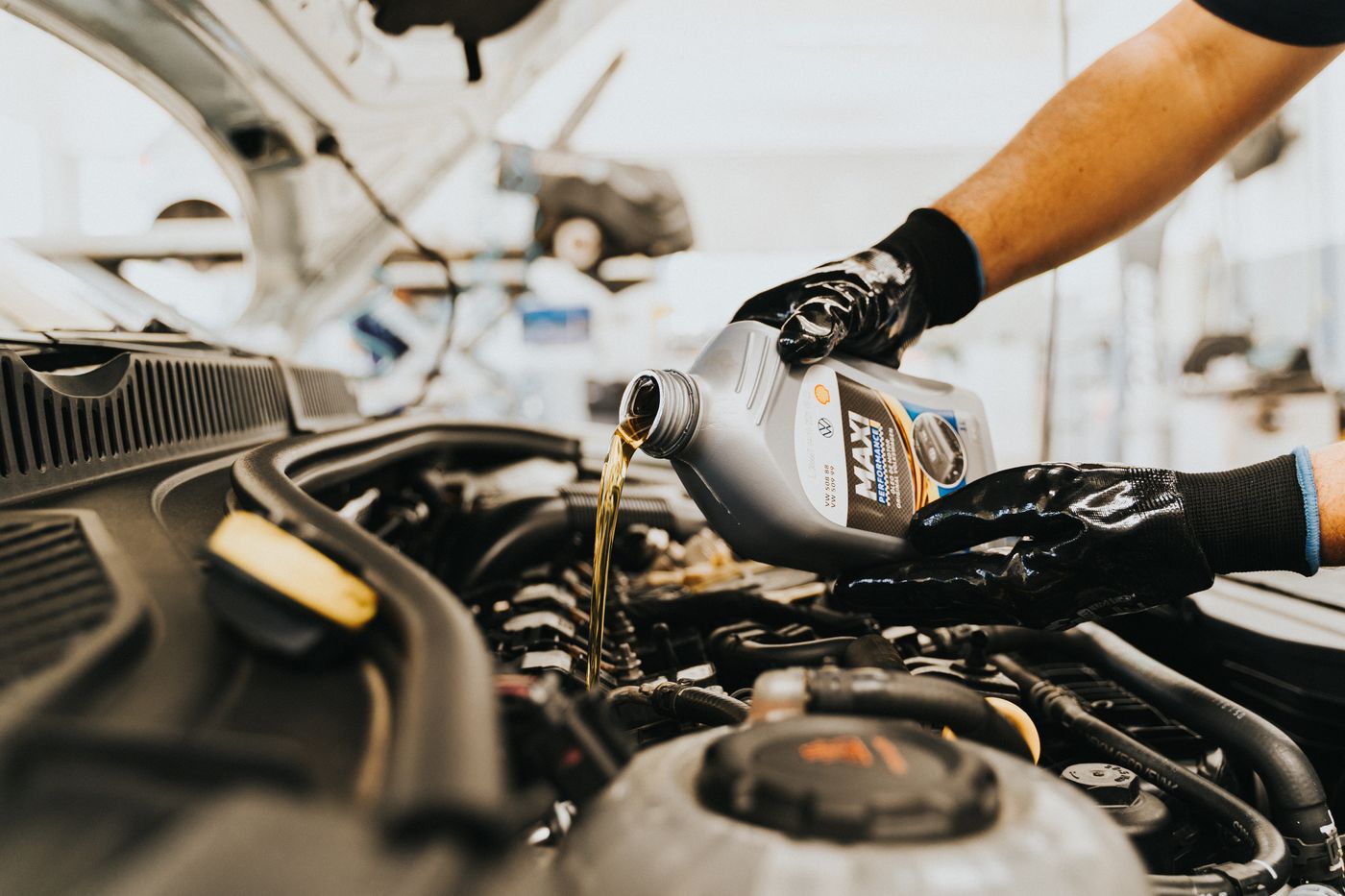
If the level is low, unscrew the oil filler cap and add about a quarter litre through a funnel. Wait a minute for the oil to settle, then check with the dipstick again. Repeat in small amounts until the level is near, but not above, MAX.
Pro tip: Overfilling is harmful too. Excess oil can foam and reduce lubrication. Add less than you think.
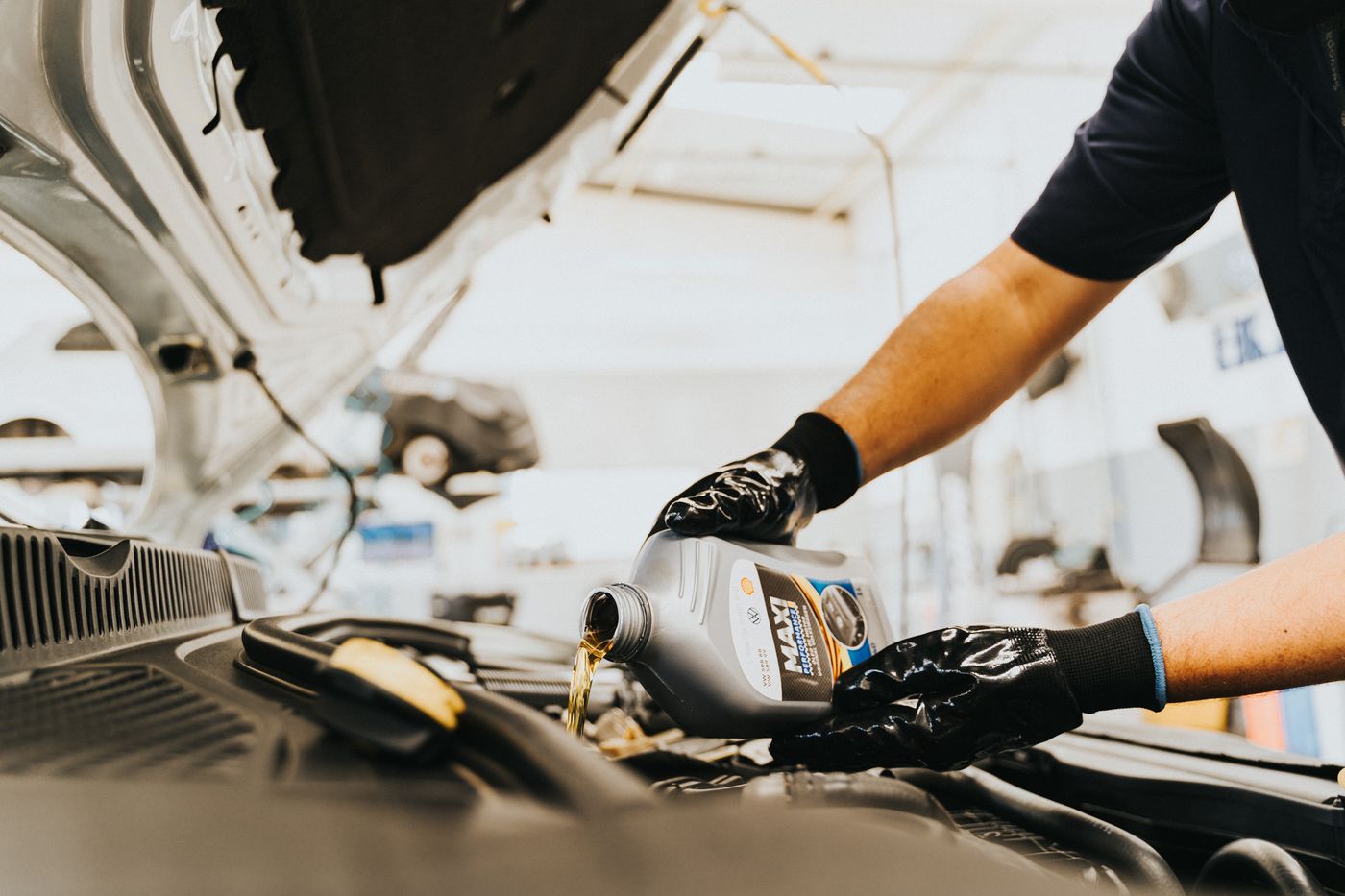
5 Step 5
Screw the filler cap back on firmly, push the dipstick fully home and close the hood. Note the date and how much you added. If you add oil more than once between services, your engine is using or leaking oil and deserves a closer look.
Pro tip: Keep a bottle of your car's correct oil in the trunk for emergencies.
Something wrong with this tutorial?
Log in and finish the steps to leave a review.
Loading reviews…
Daniel Reyes
Certified mechanic, 12 years in the shop
More tutorials related to this topic